
Memory and Storytelling in Children’s Literature
- Posted on August 24, 2026
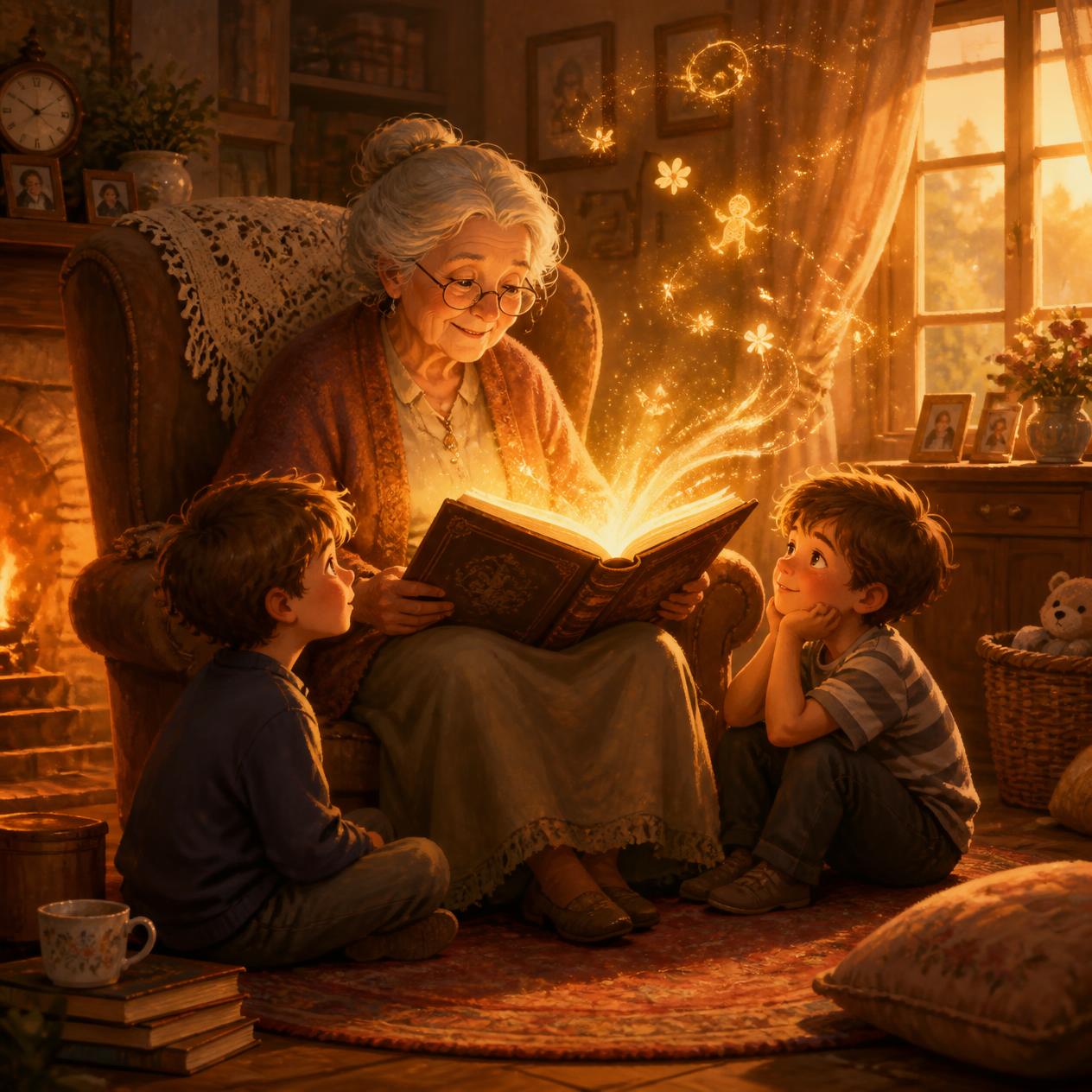
Memory and storytelling in children’s literature are deeply intertwined. Together, they serve as critical tools for both cognitive development and identity construction. Stories provide a structured framework that helps young readers organize their experiences into a coherent narrative. Furthermore, literature often explores memory to help children understand heritage, emotions, and personal growth.
The Role of Memory in Fiction
Memory serves as the foundation for how authors create and children consume stories.
- Autobiographical Self: Through family storytelling and reminiscing, children learn how to talk about the past. Consequently, this helps them construct a clear sense of personal identity.
- Cultural and Collective Memory: Books frequently act as vessels for cultural heritage. For example, children’s literature often uses mythological narratives to connect young minds with their shared history.
- Creative Reimagining: Authors like Roald Dahl and Jacqueline Woodson frequently draw from childhood memories. They blend lived experiences with imagination to build compelling fiction.
In children’s literature, memory is not just a subject. Instead, it is the infrastructure that allows a story to have lasting meaning.
How Storytelling Enhances Cognitive Memory
The narrative structure of children’s books actively improves a child’s ability to process and retain information. Stories act as cognitive scaffolds that align with how the brain naturally encodes memories.
- Predictive Brain Rewards: Hearing a familiar story allows children to predict upcoming events. As a result, the brain releases dopamine, which enhances memory retention.
- Narrative Mapping: The standard structure of a beginning, middle, and end provides a mental map. Because of this framework, new facts are much easier to organize and store.
- Emotional Glue: Stories that evoke strong emotions trigger neurochemicals like oxytocin. In turn, these signals tell the brain that the message is important for long-term storage.
Memory and Storytelling in Grandmother’s Gift
In Carol Leferovich’s Grandmother’s Gift, memory and storytelling are the foundational threads that weave a magical presence into family life.
- Memory as an Inheritance: The story depicts memory as a tangible family inheritance through the gift of flight. The grandmother’s floating presence serves as a visual metaphor for how memories stay with us. In addition, these memories act as invisible threads that tie the grandsons to their roots.
- Storytelling as a Bridge: This narrative framing helps children process complex emotional truths about love and uniqueness. Furthermore, storytelling ensures that the grandmother’s guidance remains alive long after she is gone.
In conclusion, memory and storytelling serve as the emotional glue of human experience. By transforming abstract history into a living guide, these stories provide children with a comforting sense of belonging that transcends time.
For a deeper look into the literary techniques used in this story, read our full analysis on the core characteristics of magical realism in Grandmother’s Gift.