
Lessons in Children’s Literature: Embracing Differences and Acceptance
- Posted on August 5, 2026
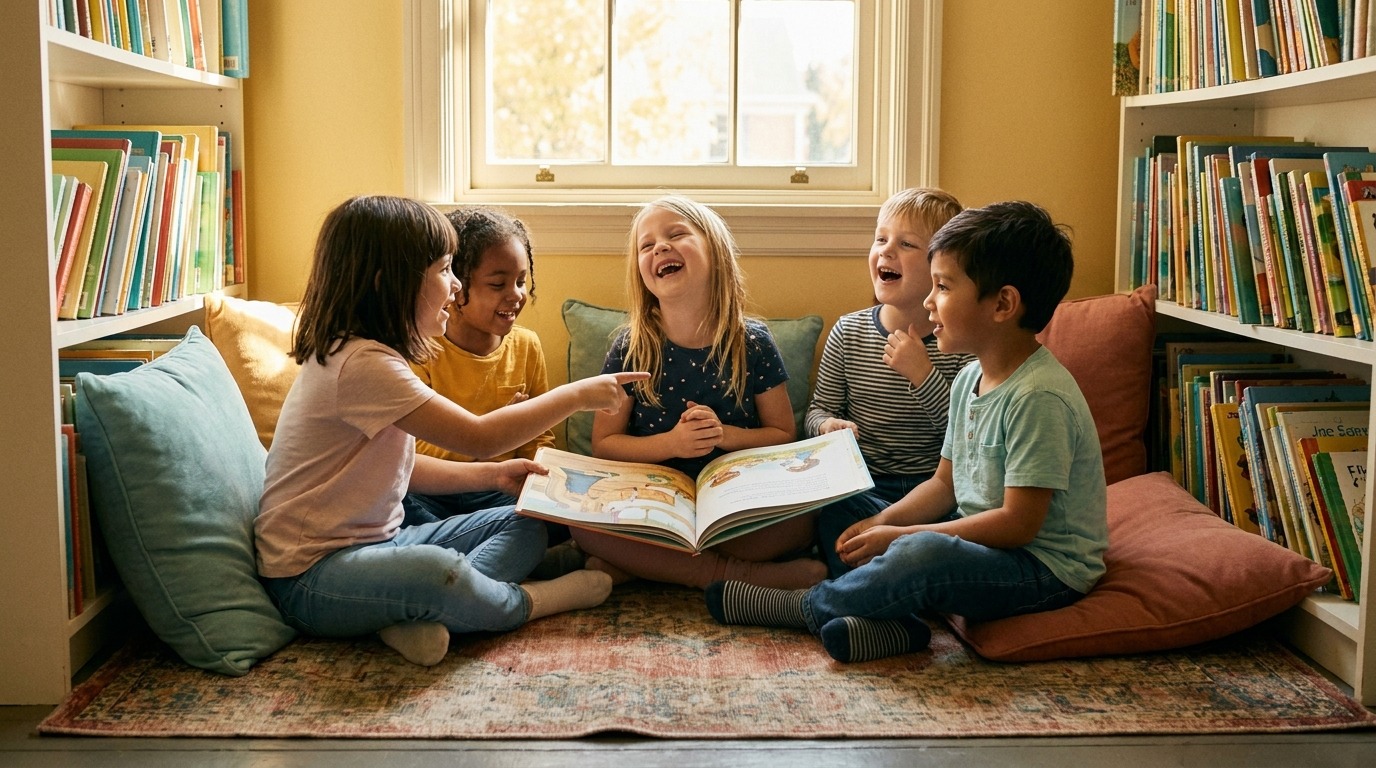
Children’s stories have taught values and core character traits like honesty, kindness, and respect since time immemorial. Today, learning to embrace differences in children’s literature serves as one of the most effective ways to teach young readers true acceptance and empathy. But why do children’s stories work so well for imparting these core lessons? Put simply, stories transform abstract concepts into concrete, lived experiences that a young brain can easily digest.
Why Stories Help Kids Embrace Differences in Children’s Literature
Stories are powerhouses for character development because they engage both logic and emotion. Here is how narrative tools successfully teach values:
- Concrete Examples of Abstract Values: Young children often struggle with abstract instructions like “be persistent”. However, stories like Aesop’s Fables showcase character in action. Instead of hearing a lecture, a child sees the tortoise win through steady effort.
- Predictable Consequences: Stories allow children to observe choices safely. When a bad choice leads to a negative result, children learn right from wrong without making the mistake themselves.
- The Emotional Glue of Storytelling: Neuroscience shows that we remember stories better than facts because they engage the emotional centers of the brain. Consequently, practicing empathy through reading helps children build strong social connections.
- Safe Exploration: Books act as a “mental flight simulator”. Therefore, young readers can navigate difficult social dilemmas within the safety of a story.
How Authors Drive Acceptance to Embrace Differences in Children’s Literature
When children learn the value of acceptance, they understand that uniqueness is a strength. As a result, they grow into compassionate and confident individuals. Modern authors use several narrative strategies to help readers embrace differences in children’s literature:
1. Magic to Embrace Differences in Children’s Literature
In books like Carol Leferovich’s Grandmother’s Gift, physical differences are often replaced by magical ones, such as the gift of flight. By using a positive difference like flying, stories condition children to view being unusual as desirable and powerful rather than weird.
2. The Matter-of-Fact Approach
A major trend in modern publishing is incidental diversity. Instead of focusing the entire plot on a character’s difference, the protagonist simply happens to be different while solving a mystery. This teaches children that a person’s difference is just one part of their identity.
3. Fostering Perspective-Taking
Children’s books often use internal monologues to let readers live inside the head of someone different.
When a reader sees a characters feeling isolated because of his hidden nature, they develop empathy. They learn what it feels like to be an outsider, which makes them less likely to exclude others in real life.
4. Celebrating Diverse Joy
Earlier literature often focused on the struggle of being different (bullying, sadness). Modern books are shifting toward diverse joy.
Stories now highlight the fun, the pride, and the specific strengths that come from a diverse background or a unique trait.
In Grandmother’s Gift, the boys don’t just “deal” with flying; they celebrate it as a beautiful connection to their grandmother.
5. Redefining Normal
By presenting a world where various family structures (like being raised by a grandparent) or genetic lineages are central to the hero’s success, authors subtly redefine what normal looks like. The hero isn’t the person who blends in; the hero is the person who stands out.
Examples of Children’s Books to Teach Acceptance and Embracing Differences
- You Are Enough: A Book About Inclusion by Sofia Sanchez: Written by a young advocate with Down syndrome, this book encourages pride in physical differences and abilities.
- Perfectly Norman by Tom Percival: A story about a boy who grows wings and tries to hide them under a coat, serving as a metaphor for the discomfort of hiding who you truly are.
- Grandmother’s Gift by Carol Leferovich: By portraying a wondrous family secret passed down through generations, the story teaches children that true acceptance begins with embracing the unique traits that set us apart.
The bottom line is, children’s stories don’t just teach kids how to tolerate others; they teach them how to celebrate the uniqueness found in everyone. The child isn’t just better informed—they become better people.