
Magical Realism in Grandmother’s Gift
- Posted on August 10, 2026
What Is Magical Realism?
Magical realism is a unique storytelling style. For instance, the story world looks exactly like ours—realistic, mundane, and familiar. However, it includes one or two supernatural elements. In fact, characters treat these magical traits as perfectly normal.
High fantasy stories like Harry Potter or Lord of the Rings feature massive magical worlds. In those books, magic shocks the characters. By contrast, characters in magical realism do not find magic weird. To them, a floating grandmother is as ordinary as a grandmother baking cookies.
Core Characteristics of Magical Realism:
- A Matter-of-Fact Tone: Authors describe impossible events with dry, everyday detail. They never explain how the magic actually works.
- Real-World Settings: The story takes place in a real city or town rather than a fictional kingdom.
- Magic as Metaphor: The magic usually represents a deep feeling or theme. In Grandmother’s Gift, flight is not a superhero skill. Instead, it serves as a beautiful metaphor for family legacy and generational bonds.
- Focus on Emotion: The story explores human emotions like love, grief, and identity rather than solving a magical mystery.
Examples in Children’s Literature:
Several children’s books use magical realism to blend everyday life with extraordinary elements:
- When You Trap a Tiger by Tae Keller: A Newbery Medal winner where Korean folklore comes to life. A young girl makes a deal with a magical tiger to save her grandmother.
- A Snicker of Magic by Natalie Lloyd: Felicity sees words everywhere in a town that lost its magic. It offers a heartwarming exploration of home and family.
- How to Catch a Star by Oliver Jeffers: A young boy tries to capture a star of his own through imaginative plans.
- The Strange and Beautiful Sorrows of Ava Lavender by Leslye Walton: Follows several generations of a family. The story centers on Ava, who was born with real wings.
Hallmarks of Magical Realism in Grandmother’s Gift
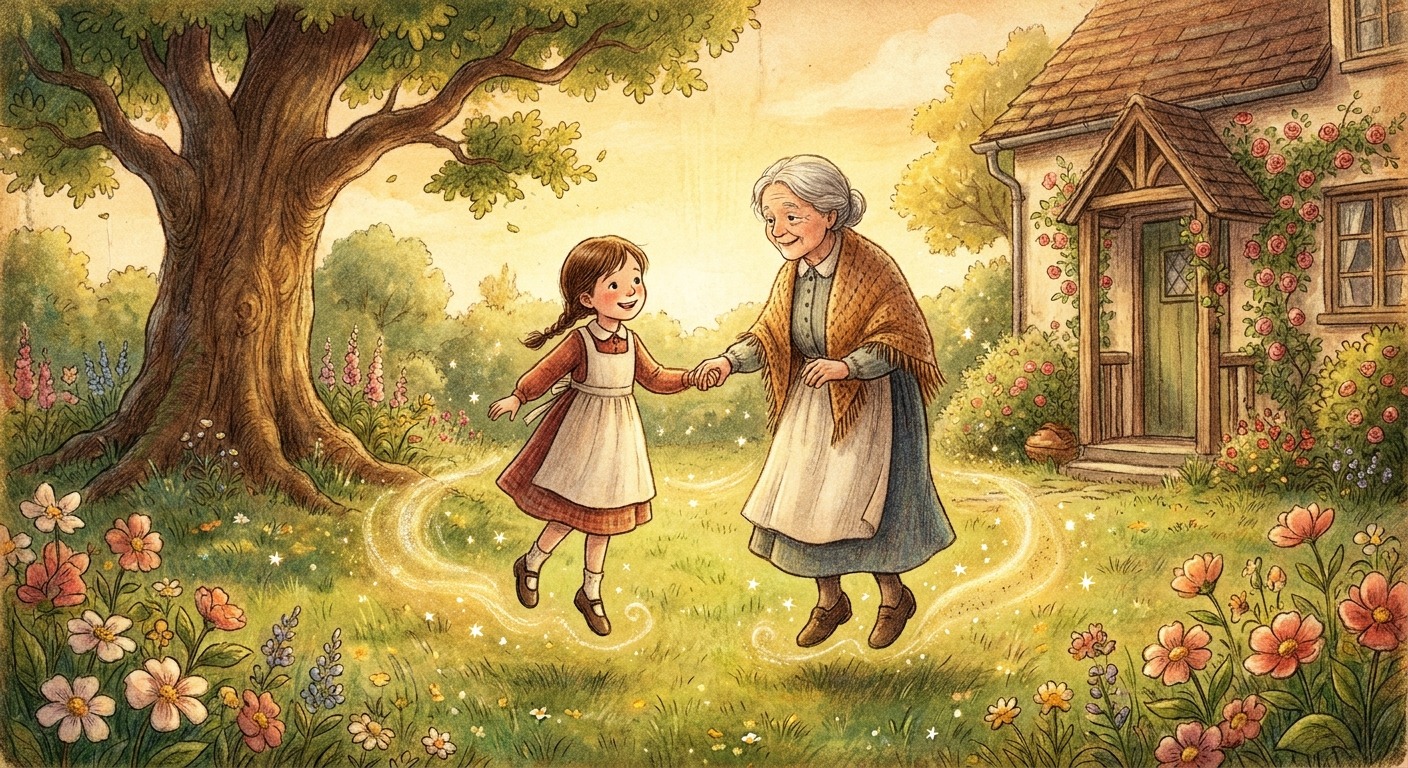
Carol Leferovich uses magical realism by embedding fantastical occurrences into an intimate family setting.
For example, the central concept features a family with an unusual inheritance of flight. The author treats this floating presence with quiet power and gentle magic. Instead of creating a superhero spectacle, she integrates this trait into everyday domestic life.
Furthermore, a core rule of magical realism is “everyday miracles.” Characters accept the supernatural as a natural part of daily living. Rather than building complex worlds, the story focuses on emotional resonance, memory, and love.
In conclusion, magical realism shifts our perspective. Magic is not a spectacle; rather, it is a texture of daily life. Because of this, the genre helps us find the extraordinary within the ordinary.